Eat100 Food Waste Guide
Understanding Food Labels: "Use By" vs. "Best Before"
Food labels help you make safe and informed choices while reducing food waste.
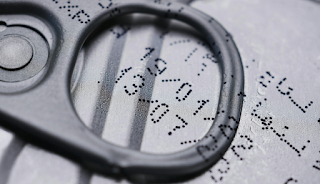
"Best Before" Means Quality
A best-before date relates to food quality. When stored according to the package instructions, food may still be safe to eat after this date, although its freshness, flavor, or texture may decline.
Common examples include canned foods, frozen foods, dry goods, condiments, and snacks.
"Use By" Means Safety
A use-by date relates to food safety. It appears on highly perishable foods that can become unsafe after a short period. Do not eat food after its use-by date, even if it looks and smells normal.
Common examples include fresh meat, poultry, fish, fresh milk, prepared salads, deli meats, ready-to-eat sandwiches, and soft cheeses.
Why Understanding Date Labels Matters
A 2018 European Commission study estimated that up to 10% of food waste in the EU supply chain is linked to date marking. Understanding labels helps people plan meals, store food correctly, and avoid unnecessary waste.
Store Food Correctly
- Keep chilled food in a refrigerator at 5°C or below and follow the package instructions.
- Freeze suitable food on or before its use-by date.
- Store appropriate best-before foods in a cool, dry, dark place.
- Do not use the sniff test for food past its use-by date.